

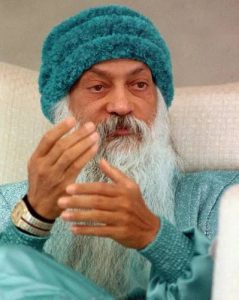
About OSHO and His Teachings
Have you ever asked yourself why a certain spiritual teacher is still causing controversy decades after his death? And this is precisely what makes About OSHO and His Teachings an incredibly riveting subject. People either admire him, question his philosophies or want to learn from it, and will keep on talking about OSHO – One of the most controversial modern-age spiritual thinkers alive.
We think that learning about famous figures is not just an interest in history — it is a study of how ideas influence nations, politics, art and thought. In this article I will explore OSHO’s life, philosophy, meditation techniques and global impact in a balanced sober-readable form.
Issue 1: Why OSHO Is So Hard To Comprehend
Lets face it — looking for OSHO on the internet can be a very complicated adventure.
There are sources that depict him as a revolutionary philosopher. Some are nearly all controversy. Meanwhile, most never learn what he really taught.
When you are learning about About OSHO and His Teachings, you may depend on queries like:
- Who exactly was OSHO?
- Why is your philosophy different from traditional religious belief?
- What was it about him that drew admiration from some, and disdain from others?
- Dynamic Meditation and mindfulness What are
- Are his teachings relevant today?
Without reliable information, it’s easy to develop a one-sided opinion.
That’s why balanced, research-based content matters.
Who is OSHO and what does he teach: A Little Bit about His Philosophy | About OSHO and His Teachings
Born Chandra Mohan Jain in 1931 Madhya Pradesh, India then later known worldwide as Bhagwan Shree Rajneesh and finally OSHO.
He wasn’t looking to create more of a religion.
He challenged rather than asking people to hold beliefs blindly, he urged them to taste and experience the truth for themselves.
Here’s the thing…
According to OSHO, humanity suffers because they live by society’s expectations instead of discovering their true selves.
His teachings revolved around:
- Self-awareness
- Meditation
- Freedom from conditioning
- Love without attachment
- Living in the present moment
- Celebration of life
Unlike many traditional spiritual leaders, OSHO mixed Eastern philosophy with Western psychology, science, literature, and modern thinking.
That combination attracted followers from over 100 countries
Core Teachings of OSHO
- Meditation Is the Key
Arguably the most well-known aspect of About OSHO and His Teachings is his focus on meditation.
But he did not just sit silently with his eyes shut.
He felt that contemporary man was too stressed and burdened by his emotions.
At first a gathering of the sort that needed to spill off tension before going mute.
This is why he invented types of active meditation.
Popular meditation methods include:
- Dynamic Meditation
- Kundalini Meditation
- Nadabrahma Meditation
- Nataraj Meditation
- No-Mind Meditation
OSHO does not say that meditation is escaping life; rather, it means to be aware of everything.
- Freedom Over Blind Belief
OSHO often challenged traditions.
He expounded on the approach to question everything—even his own teachings.
Instead, he repeatedly suggested using “trust” instead of “believe”:
Experience first. Decide later.
Its independent thinking was attractive to youth who were searching the outside of traditional religious structures.
- Living in the Present
Mindful living is another salient teaching in About OSHO and His Teachings.
According to him:
- The past creates guilt.
- The future creates anxiety.
- Only now can be free.
His philosophy closely resembles the core of many mindfulness practices that we see hit global popularity today.
- Love Without Possession
OSHO frequently spoke about relationships.
He thought love is not about control but liberation.
He believes with resentment in the long way, and describes it as yours to be destroyed — I mean that your true love by ownership goes.
Rather, they are exercised in periods of understanding, trust and awareness about each other.
Dynamic Meditation: OSHO’s Unique Contribution
Dynamic Meditation was one of OSHO’s most revolutionary contributions.
It is a combination of movement and stillness, unlike the traditional type of meditation.
The five stages include:
- Fast breathing
- Emotional release
- Jumping with chanting
- Complete silence
- Celebration through dance
Sounds unusual?
Perhaps.
Yet millions have used these methods across the globe, as a tool for easing stress and increasing emotional consciousness.
What Does OSHO Say The Relevance Of His Teachings In The Present Time| About OSHO and His Teachings
The world we live in today has never been faster.
Stress levels continue to rise.
Our attention is fought by social media at all times.
On the other hand, with so many of us suffering from anxiety, burnout and emotional exhaustion.
Here is where most readers turn their attention to About OSHO and His Teachings.
His philosophy encourages people to:
- Slow down
- Observe their thoughts
- Reduce unnecessary mental noise
- Live consciously
- Accept themselves without constant comparison
Regardless of how much one agrees with various elements of his philosophy or not, these themes still ring true for many people today.
Importance News: OSHO & Understanding and His Teaching
Reading about OSHO can really help readers:
- Focus on critical thinking, not blind acceptance.
- How To Think About Meditation In The Modern World.
- How Mindfulness Can Help Reduce Stress
- Delve into the concept of balance between freedom and taking accountability.
- Learn about one of the biggest spiritual figures in history from India.
- With an open mind explore various philosophical approaches.
Balanced and thoughtful knowledge, which is embedded with context, becomes valuable.
Frequently Asked Questions
About OSHO and His Teachings
Who was OSHO?
OSHO was an Indian spiritual teacher and philosopher known for promoting meditation, self-awareness, freedom of thought, and conscious living. His teachings attracted followers worldwide.
What is OSHO’s main teaching?
His central message is that meditation and awareness help individuals experience inner freedom and live authentically without being controlled by social conditioning.
Why is OSHO considered controversial?
OSHO’s movement became associated with legal and organisational controversies during the 1980s, particularly in Oregon, USA. His unconventional views on religion, society, and personal freedom also sparked widespread debate.
Is OSHO’s philosophy connected to any religion?
OSHO drew inspiration from many traditions—including Buddhism, Hinduism, Jainism, Taoism, Zen, and Sufism—but he discouraged rigid religious identification and encouraged personal exploration.
Why are people still interested in OSHO today?
His teachings on meditation, mindfulness, emotional freedom, and conscious living continue to resonate with people seeking practical ways to navigate stress and modern life.
Is there an Osho Gram in Himachal Pradesh?
Yes, Oshogram is an intimate Osho meditation retreat located in Pandar, near Sundernagar in the Mandi district of Himachal Pradesh. Situated at an altitude of 7,343 feet, it is spread across a three-acre apple orchard and surrounded by dense deodar and cedar forests.
Final Thoughts
Understanding About OSHO and His Teachings isn’t about accepting every idea unquestioningly. It’s about exploring a philosophy that challenged conventional thinking and encouraged individuals to seek truth through personal experience.
Whether you’re a student, a philosophy enthusiast, or simply curious about influential figures in modern spirituality, learning about OSHO offers valuable insights into freedom, awareness, and the search for meaning.